One system for every season
Air-Source Heat Pump Installation on Long Island, NY
Heat and cool your whole home with one efficient central system, designed around your ductwork, electrical service, and Long Island winters.
One system for every season
Heat and cool your whole home with one efficient central system, designed around your ductwork, electrical service, and Long Island winters.
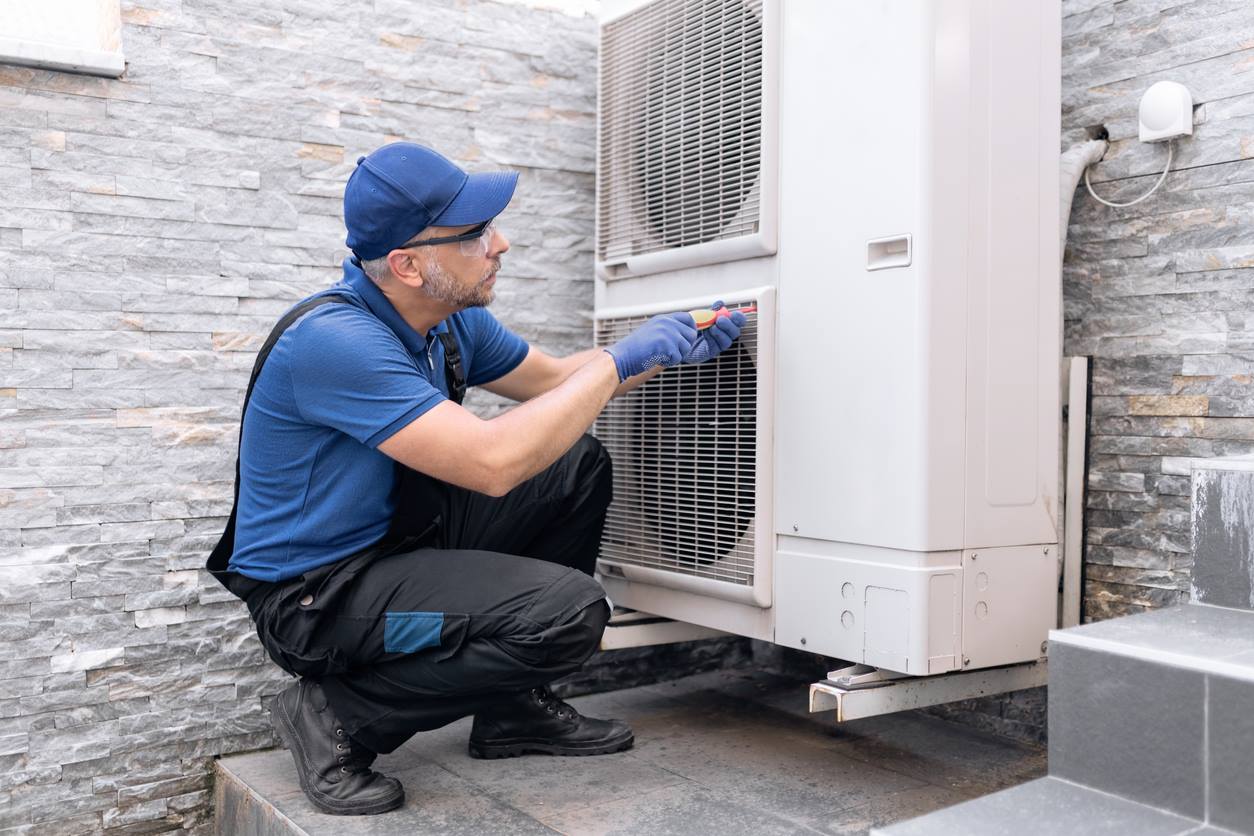
An air-source heat pump moves heat rather than creating it through fuel combustion. In summer, it removes heat from the home like a central air conditioner. In winter, it reverses operation and transfers available outdoor heat indoors. Modern cold-climate equipment keeps producing useful heat at low outdoor temperatures, which makes central heat pumps a practical option for homes across Nassau and Suffolk County.
Performance depends heavily on design. The equipment must be matched to the home's heating and cooling loads, duct capacity, electrical service, room layout, and comfort priorities. GreenShield Heat Pumps evaluates all of those conditions before recommending a central, ducted, dual-fuel, or mixed heat pump system.
We focus on the details that decide whether a heat pump feels great or falls short in February: low-temperature capacity, airflow, moisture control, defrost behavior, backup heat strategy, and a serviceable installation. If you are replacing an aging furnace, a tired central air system, or both at once, this is the upgrade that consolidates them into one efficient system.

Replacing a conventional furnace or air conditioner with a heat pump can look straightforward, but the operating requirements are different. Winter airflow, duct temperature, auxiliary heat, staging, thermostat setup, and outdoor drainage all affect the result.
For primary heating, we review published low-temperature performance data rather than relying on nominal ratings. Capacity and efficiency change as the outdoor temperature falls, and the design has to account for that.
A heat pump needs adequate airflow. We evaluate supply and return ducts, restrictions, leakage, insulation, register locations, and rooms with known comfort problems before finalizing equipment.
Inverter-driven equipment adjusts output to match conditions, supporting longer, quieter cycles and steadier temperatures when the equipment and controls are applied correctly.
Some systems include electric resistance backup, while others retain a compatible furnace in a dual-fuel arrangement. We explain when backup runs and how controls affect comfort and cost.
The unit needs airflow, service access, stable support, and a plan for defrost water. We consider windows, walkways, bedrooms, roof runoff, snow, vegetation, and neighboring properties.
Thermostats, sensors, dampers, and equipment communication must work together. Existing zoning is evaluated before it is connected to new variable-capacity equipment.
Every central heat pump quote reflects the specific house. These are the factors that move the number up or down:
Rather than publish generic price ranges that rarely match a real project, we look at your home and give you an exact written quote. The estimate is free and there is no obligation. Call (516) 874-2060 or request your free quote online.
Two houses on the same street can need very different systems. Equipment capacity, zones, ductwork, electrical service, and installation access change the scope, so an honest number requires seeing the home. What you get from us is a firm written estimate, not a teaser price that grows later.
Get a Free EstimateWe match equipment to the home’s actual heating and cooling needs instead of copying the size of the old system.
Existing ductwork is evaluated as part of the heat pump system, not treated as an unrelated detail.
We plan low-temperature capacity, auxiliary heat, defrost, and thermostat strategy around realistic cold-weather operation.
Every installed system is tested for controls, airflow, drainage, heating response, and cooling response before we call it done.
We discuss temperature differences, humidity, noise, equipment failures, and future plans for the home.
We review heating loads, ductwork, electrical service, indoor equipment space, outdoor placement, and control needs.
We recommend appropriate capacity, efficiency, air-handler type, backup strategy, and controls, with the reasoning explained.
Equipment delivery, electrical work, duct modifications, drainage, and protection of work areas are coordinated in advance.
The team completes mechanical and electrical connections, starts the system, verifies airflow, and tests every mode.
We review thermostat use, filter care, normal winter cycles, auxiliary heat, and future maintenance before we leave.
Yes, when it is sized and selected correctly. Cold-climate models publish low-temperature output data, and we design against your home’s actual heat loss so the system carries the load on cold nights, with a sensible backup strategy where appropriate.
That is exactly what it does. One system heats in winter and cools and dehumidifies in summer, replacing two pieces of aging equipment with a single efficient unit.
Not always. Many homes can reuse existing ducts, sometimes with modifications for airflow. We inspect duct condition, sizing, and returns during the estimate and include any needed work in the written scope.
It depends on capacity, ductwork, electrical service, zones, and the performance level of the equipment, so we do not quote flat prices. The estimate is free, and you get an exact written quote for your home. Call (516) 874-2060 to schedule.
Most central heat pump replacements take two to five working days, depending on duct modifications, electrical work, and the number of zones. We confirm the schedule before work begins.
Explore a system designed around your home’s layout, ductwork, and winter comfort needs. Free estimates with a clear written scope.