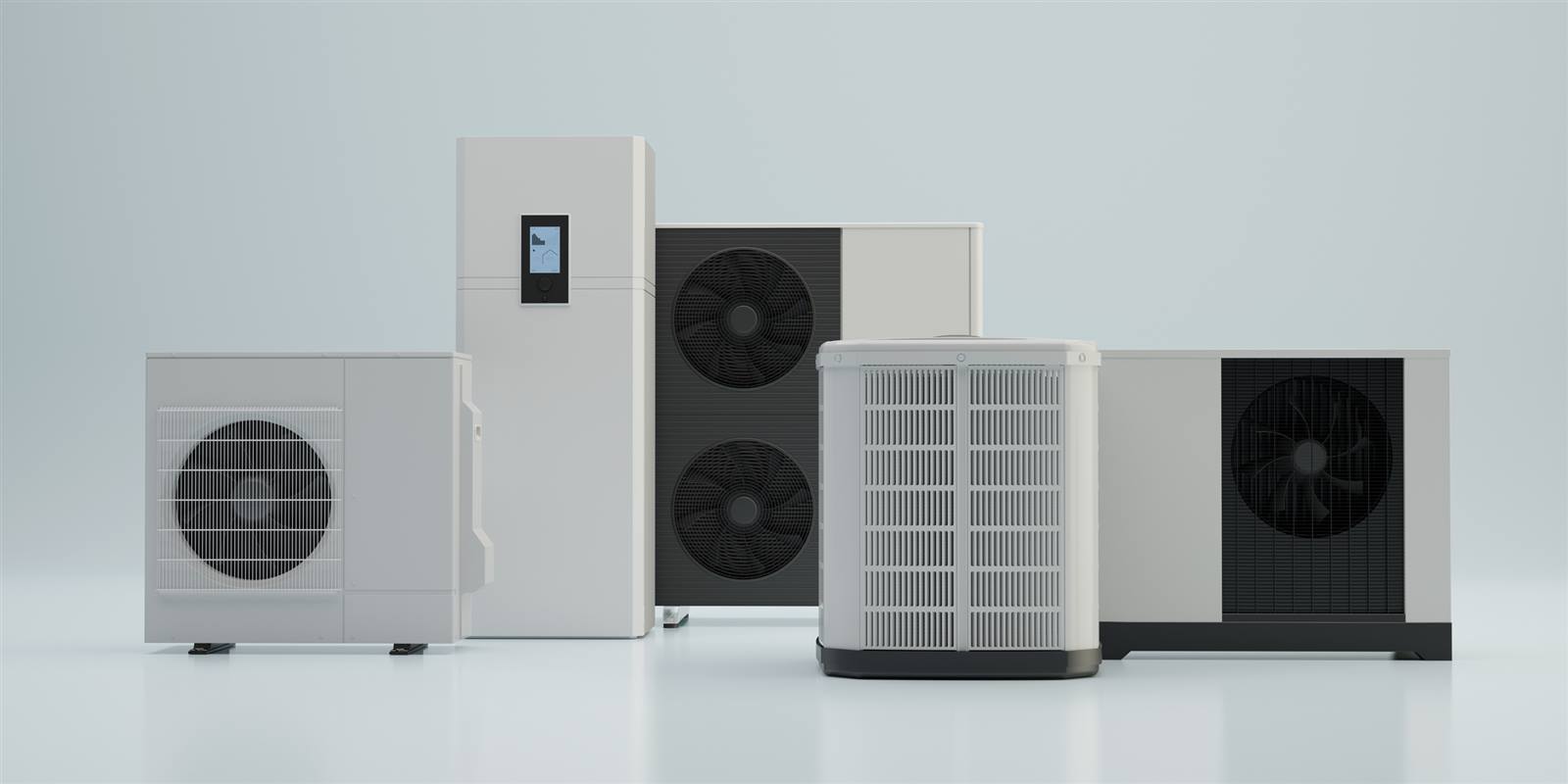
Efficient hot water, every day
Heat Pump Water Heater Installation on Long Island, NY
Cut the electricity your hot water uses with a heat pump water heater sized for your household and installed in the right spot.
Efficient hot water, every day
Cut the electricity your hot water uses with a heat pump water heater sized for your household and installed in the right spot.
A heat pump water heater pulls heat from the surrounding air and transfers it into the storage tank. Because it moves heat instead of relying only on electric resistance elements, it uses substantially less electricity for routine water heating than a standard electric tank.
It is a strong replacement for an aging electric water heater, and it is often part of an oil to heat pump conversion when the existing boiler currently produces the home's domestic hot water.
The equipment needs the right setting to perform well. Room volume, ceiling height, temperature, sound, condensate drainage, electrical supply, hot-water demand, and service access all matter. GreenShield Heat Pumps evaluates those details before recommending tank size and location, and we explain recovery time, operating modes, and how the unit cools and dehumidifies the space around it, which is often a bonus in a Long Island basement.
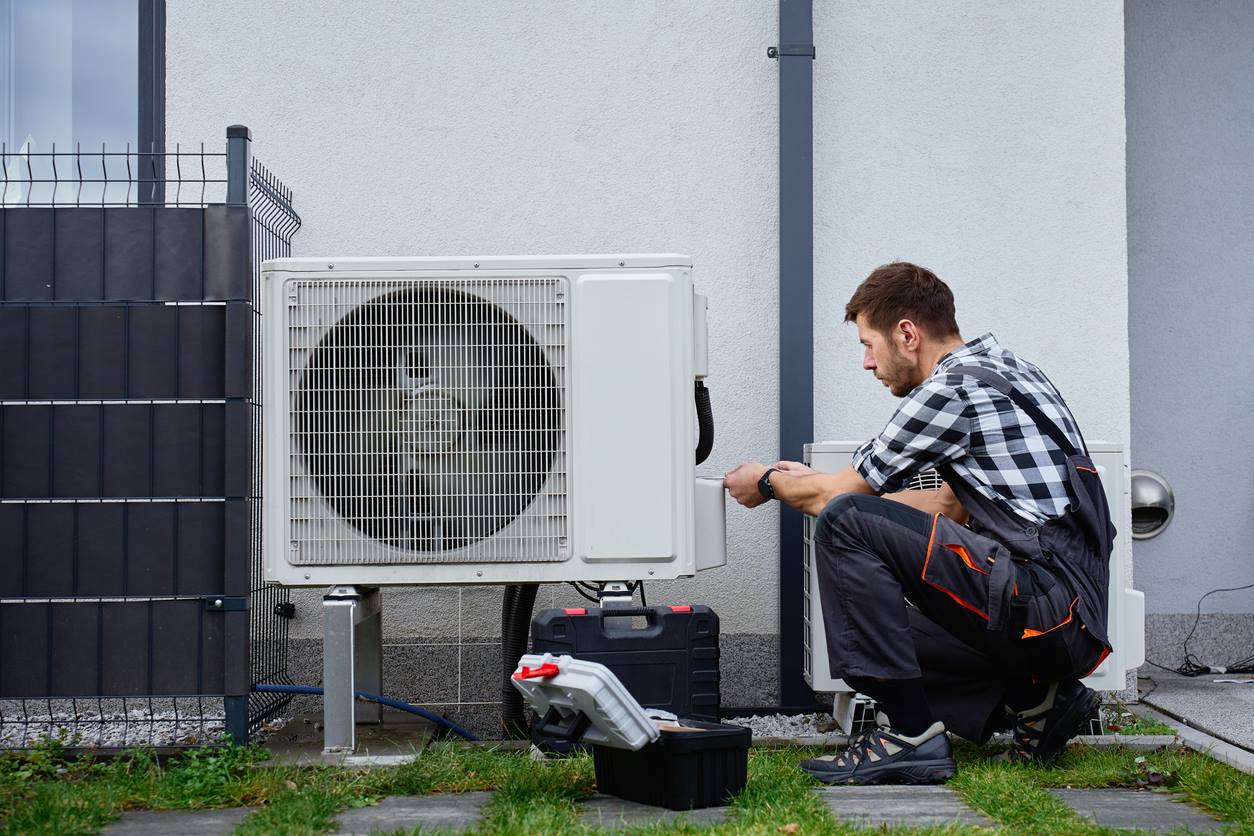
Heat pump water heaters combine a storage tank, refrigeration system, fan, controls, and electric resistance backup. Good performance depends on matching the tank and operating mode to household demand while giving the unit enough air and reliable drainage.
The right size depends on household size, bathing habits, fixtures, laundry, and periods of back-to-back demand. A properly sized tank supports efficient operation without leaning on resistance backup.
The unit needs sufficient surrounding air or a ducting strategy. Tight closets and very cold spaces need special planning or may not be suitable locations.
Like an air conditioner, the unit produces condensate that needs a dependable gravity drain, condensate pump, or other approved route.
Many units need a dedicated 240-volt circuit. We review the panel, circuit needs, and disconnects before installation day.
The fan and compressor make some sound, and the unit releases cooler, drier air. Placement accounts for bedrooms, living spaces, and winter basement conditions.
Efficiency, hybrid, high-demand, and vacation modes balance energy use and recovery speed differently. We set up the modes that fit how your household actually uses hot water.
Installed cost depends on the equipment and what your home needs to support it:
Rather than publish generic price ranges that rarely match a real project, we look at your home and give you an exact written quote. The estimate is free and there is no obligation. Call (516) 874-2060 or request your free quote online.
Two houses on the same street can need very different systems. Equipment capacity, zones, ductwork, electrical service, and installation access change the scope, so an honest number requires seeing the home. What you get from us is a firm written estimate, not a teaser price that grows later.
Get a Free EstimateAir volume, temperature, sound, drainage, and access are evaluated before we recommend equipment, not after it shows up.
Tank capacity and operating strategy are matched to your actual hot-water use, not a generic chart.
When the water heater is part of an oil conversion, it is planned alongside the home’s heating and electrical changes.
We explain modes, filter care, condensate, and recovery expectations so the unit performs the way you expect.
Household size, peak use, the existing water heater, and any recurring shortage or recovery problems.
Dimensions, air volume, temperature, drainage, electrical service, plumbing, and access are all checked.
Tank capacity, operating modes, recovery characteristics, and related work, explained in a written estimate.
Electrical, drainage, plumbing changes, and old equipment removal are organized before installation.
The unit is placed, connected, filled, leak-checked, powered, programmed, and tested.
We show you the filter, controls, condensate setup, temperature setting, and maintenance needs.
Heat pump water heaters typically use a fraction of the electricity of a standard electric resistance tank because they move heat rather than generate it. Actual savings depend on your household usage, the installation location, and the modes you run. We can walk through realistic expectations for your home.
A space with enough surrounding air and moderate temperatures, commonly a Long Island basement or utility area. The unit slightly cools and dehumidifies its surroundings, which is often welcome in a basement. Tight, cold, or noise-sensitive locations need extra planning or ducting.
Yes, when the tank is sized for your household and the operating mode fits your usage pattern. Hybrid modes add resistance backup during unusually heavy demand, so back-to-back showers and laundry days are covered.
Many homes already have a suitable 240-volt circuit from an existing electric water heater. If you are replacing an oil-fired or gas unit, a new circuit is usually needed, and we include that work in the written estimate.
It depends on tank size, electrical work, drainage, and removal of the old unit, and incentive programs may reduce the net cost. We provide an exact written quote after a free assessment. Call (516) 874-2060 to schedule.
Find out whether a heat pump water heater fits your space, electrical service, and daily hot-water needs. Free assessment, clear quote.