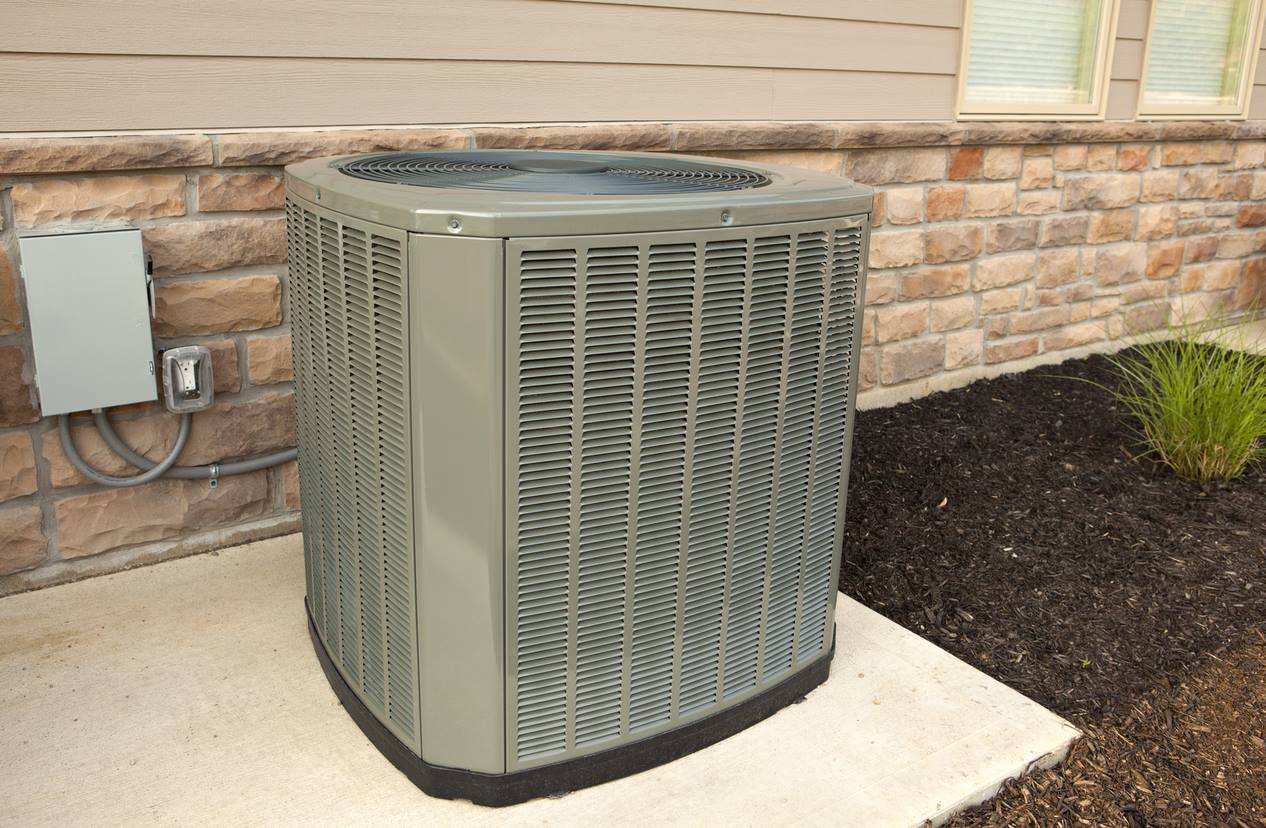
Move beyond oil deliveries for good
Oil to Heat Pump Conversion on Long Island, NY
Replace fuel deliveries, burner maintenance, and separate AC equipment with one all-electric heating and cooling system built for your home.
Move beyond oil deliveries for good
Replace fuel deliveries, burner maintenance, and separate AC equipment with one all-electric heating and cooling system built for your home.
An oil to heat pump conversion replaces fuel deliveries, burner maintenance, and separate central air-conditioning equipment with one all-electric heating and cooling system. The change simplifies home comfort, frees up space, and ends your dependence on an aging boiler or furnace and the price swings of heating oil.
A successful conversion involves more than removing one appliance and installing another. GreenShield Heat Pumps evaluates the whole house before recommending a system: design heating load, room-by-room comfort, insulation, duct conditions, electrical capacity, domestic hot water, and outdoor unit placement.
We also help you decide between full oil removal and a phased transition that temporarily keeps the boiler as backup. The result is a coordinated plan that explains what will change, what may remain, and how the new system should operate through a Long Island winter. Many East Meadow, Huntington, and Smithtown homeowners have made this exact move, and the questions are almost always the same: will it keep up in January, what happens to the tank, and what does it cost? We answer all three for your specific house, in writing.
The right scope depends on the existing oil system and the home. Some projects reuse ductwork with modifications, while others combine a central heat pump with ductless zones. If the boiler currently heats your household water, the plan covers that too.
We estimate how much heat the home loses in cold conditions and review room-by-room needs. This prevents undersizing, excessive backup-heat use, and comfort problems caused by guessing from the old equipment.
Existing ducts may be reusable, but they must support the airflow the new equipment requires. We inspect ductwork, return-air paths, registers, and insulation before deciding on modifications.
A conversion may require new circuits, disconnects, controls, or panel work. We identify electrical needs early so they are part of the plan, not a mid-project surprise.
We discuss whether the boiler or furnace will be decommissioned, temporarily retained, or removed. Oil tank work and fuel handling may involve separate qualified specialists depending on the property.
If the oil boiler heats your household water, the conversion includes a replacement strategy, often a heat pump water heater when space, drainage, and electrical service allow.
We explain thermostat settings, defrost cycles, auxiliary heat, and what normal winter operation looks like. Heat pumps run longer at lower output than oil equipment, which is normal and keeps temperatures steady.
Conversion projects range widely because homes and existing oil systems range widely. The main cost drivers are:
Rather than publish generic price ranges that rarely match a real project, we look at your home and give you an exact written quote. The estimate is free and there is no obligation. Call (516) 874-2060 or request your free quote online.
Two houses on the same street can need very different systems. Equipment capacity, zones, ductwork, electrical service, and installation access change the scope, so an honest number requires seeing the home. What you get from us is a firm written estimate, not a teaser price that grows later.
Get a Free EstimateHeating, cooling, electrical, airflow, hot water, and the existing oil equipment are treated as one coordinated project.
We explain full conversion, phased conversion, central, ductless, and mixed approaches so you can compare real choices.
Equipment selection is based on winter performance needs, not just nominal cooling capacity.
Related electrical, duct, plumbing, and equipment-removal work is identified before installation begins.
We learn why you want to move away from oil, which comfort problems matter most, and whether you prefer a complete or phased conversion.
We review the existing system, heating load, insulation, ducts, electrical panel, hot-water setup, and possible equipment locations.
We recommend equipment and define the duct, electrical, control, drainage, and related work the project requires.
You get the full picture: costs, operating characteristics, project sequence, and any work that involves another qualified trade.
The team installs the system, checks airflow and drainage, tests heating and cooling, and confirms controls operate correctly.
We show you the thermostats, filter care, normal winter behavior, and how to reach us for future service.
Yes. Many homeowners choose a phased conversion that keeps the boiler temporarily while the heat pump carries the primary load. Others remove the oil equipment entirely. We explain both approaches and what each means for cost and comfort.
That depends on the tank type and location. Above-ground tanks are typically pumped out and removed, while buried tanks may involve specialized abandonment or removal work by qualified contractors. We walk you through the options for your property during the estimate.
If your boiler currently makes domestic hot water, the conversion plan includes a replacement, most often a heat pump water heater. We size it around your household demand and confirm the space, drainage, and electrical requirements.
It varies with home size, system design, electrical work, hot water strategy, and incentives, so an honest answer requires seeing the house. The estimate is free and gives you an exact written quote. Call (516) 874-2060 to get started.
Many Long Island homeowners qualify for utility or state incentive programs when converting to qualifying heat pump equipment. Programs change over time, so ask us about current options when you request your estimate.
Start with a whole-home conversion assessment and get a clear written plan for heating, cooling, and hot water without oil.